About ESD Safe Table Mats
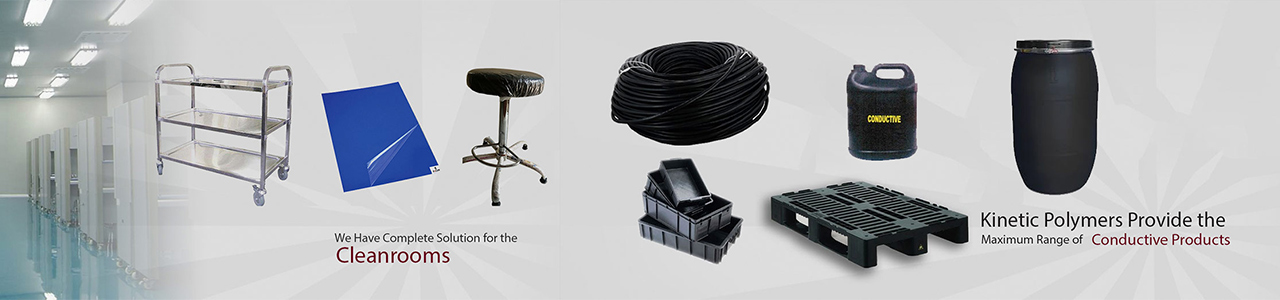
Kinetic Polymers offers a premium range of ESD Mats and Flooring solutions designed to safeguard sensitive electronic components from electrostatic discharge. Our ESD-safe mats and floors are manufactured using high-quality conductive and static-dissipative materials, making them ideal for use in cleanrooms, electronics assembly lines, PCB manufacturing units, and ESD-safe workstations.
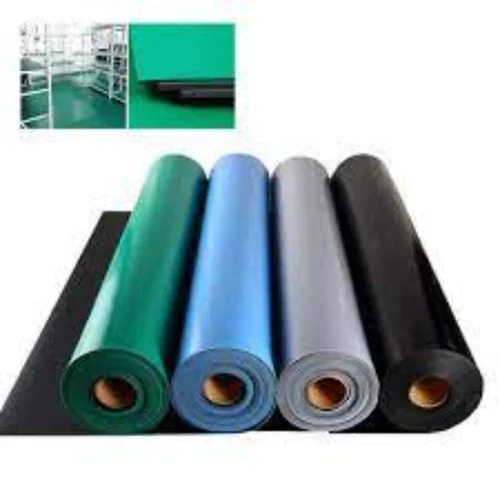
We provide a variety of ESD flooring options, including table mats, floor mats, vinyl tiles, and epoxy flooring systems, tailored to meet industry-specific requirements. All products comply with international ESD safety standards and are available in various sizes, thicknesses, and colors.
Key Features:
Excellent static dissipation performance
Durable and chemical-resistant surfaces
Easy to clean and maintain
Custom sizes and installation support
Tested as per ANSI/ESD and IEC standards
Choose Kinetic Polymers for reliable, long-lasting ESD protection in your critical work environments.
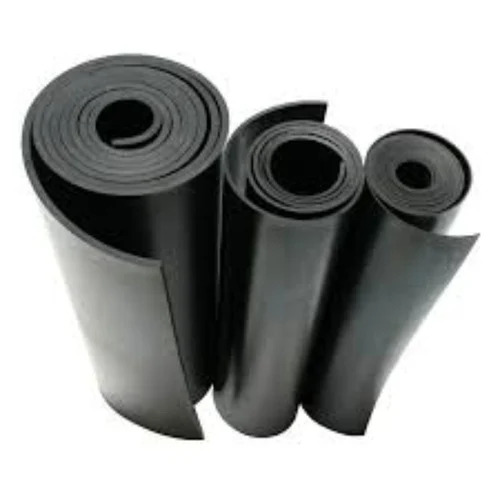
Advanced Material EngineeringManufactured from two-layer antistatic rubber, the upper dissipative and lower conductive surfaces work in tandem to redirect static electricity away from sensitive components. This construction maximizes ESD protection, providing surface resistance of 10^6~10^9 (top) and 10^3~10^5 (bottom), and an optimal Shore A hardness of 605 for resilience.
Designed for Demanding WorkspacesWith thermal resistance up to 200C, chemical stability against acids, alkalis, and solvents, and flame retardancy, these ESD mats are well-suited for industrial settings, repair stations, and assembly lines. The anti-reflective matte finish ensures comfortable, glare-free working conditions, especially in intensive electronic assembly scenarios.
Cleanroom and Compliance ReadyTested for compatibility with Class 1000 cleanroom environments, our mats meet stringent quality requirements. Supplied with a grounding cord featuring a 1M resistor and an optional wrist strap snap, these mats enable safe and easy integration into existing electrostatic protected areas (EPAs) in India and beyond.
FAQ's of ESD Safe Table Mats:
Q: How do ESD Safe Table Mats protect sensitive electronic components?
A: ESD Safe Table Mats use a dual-layer construction-dissipative surface on top and a conductive layer underneath-to safely discharge static electricity away from sensitive devices. This helps prevent electrostatic discharge events that could damage electronic components during assembly or repair.
Q: What is the process for installing and grounding these ESD mats in my workspace?
A: Installation is straightforward: simply lay the mat on your work surface and connect the supplied grounding cord (with a 1M resistor) to a grounded point. For added safety, an optional wrist strap snap allows you to connect a wrist strap, ensuring comprehensive personnel grounding while working.
Q: When should I replace my ESD mat to ensure continued protection?
A: Under normal operating conditions, our ESD mats retain their antistatic properties for at least three years. Inspect mats regularly for signs of wear or physical damage and test surface resistance periodically to confirm ongoing effectiveness. Replace the mat if resistance levels are out of range or integrity is compromised.
Q: Where are these mats suitable for use?
A: These mats are ideal for electronic assembly lines, repair stations, and any electrostatic protected workspace. Additionally, their cleanroom compatibility (Class 1000) allows safe use in controlled environments where contamination and static build-up are critical concerns.
Q: What makes these mats beneficial for cleanroom and industrial environments?
A: Their flame retardancy, resistance to aggressive chemicals (acids, alkalis, solvents), and anti-reflective matte surface make them robust for demanding applications. Combined with excellent antistatic properties and easy maintenance, they deliver long-term, reliable protection in both industrial and cleanroom settings.
Q: How does the chemical resistance of the ESD mat enhance its durability and usability?
A: Being resistant to acids, alkalis, and solvents, the mat maintains its structural integrity and ESD protection even when exposed to harsh chemicals typically found in electronic and industrial workspaces, contributing to a longer service life and consistent performance.






 Send Inquiry





 Send Inquiry
 Send Inquiry
 Send SMS
 Call Me Free


